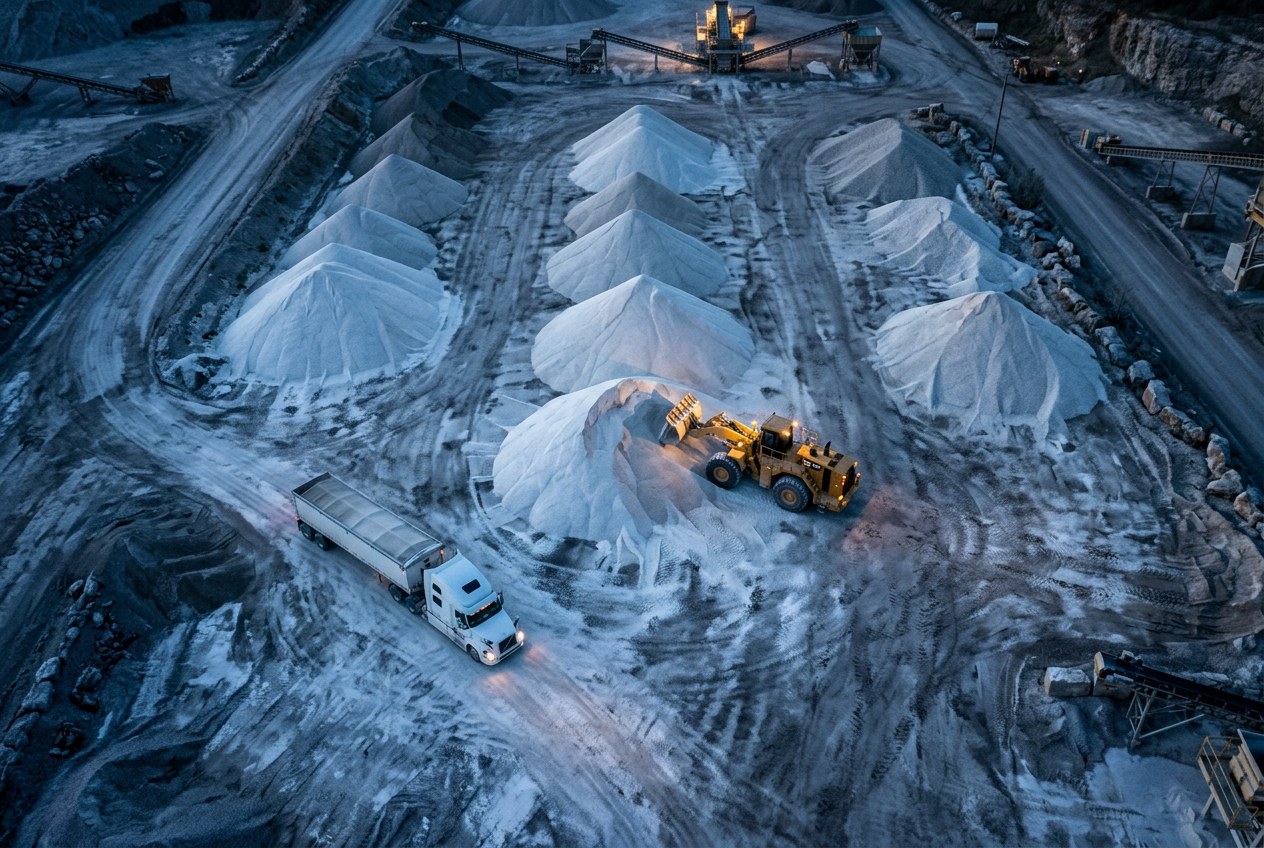

Fertilizer & processing
The reactant inside the fertilizer chain.
High-purity calcium carbonate for fertilizer and mineral processing: feed-phosphate production, acid purification and neutralization. Low heavy metals, consistent grades and a certificate of analysis on every load.
Feedstock for the plants that feed us. Fertilizer and mineral processors use high-purity calcium carbonate as a reactant, neutralizer and purification aid.
- 97–99.9%
- Calcium carbonate, typical analysis
- <O.O1%
- Heavy metals, typical analysis
- −3OO
- Finest powder grade, mesh
- 2
- Idaho sites, source to mill
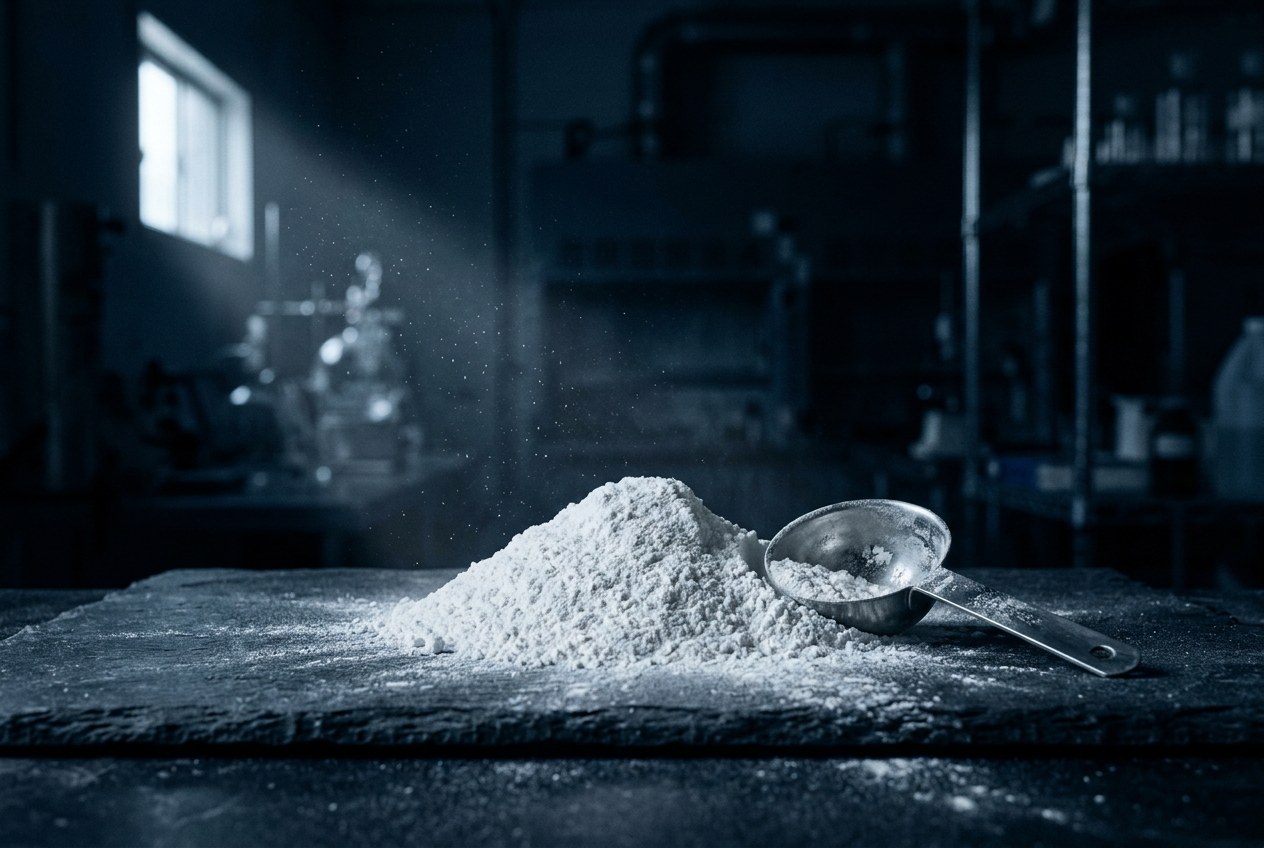
In feed-phosphate production it reacts with phosphoric acid; in acid purification and process-water treatment it neutralizes and helps settle impurities.
Purity matters most where acid is being purified. Our material tests at 97–99.9% calcium carbonate with no heavy metals, and the analysis is documented on every load so incoming-material checks and batch records stay simple.
Quality & analysisA known input for chemical processing. Chemical manufacturers use calcium carbonate as a reactant, pH buffer and processing aid.
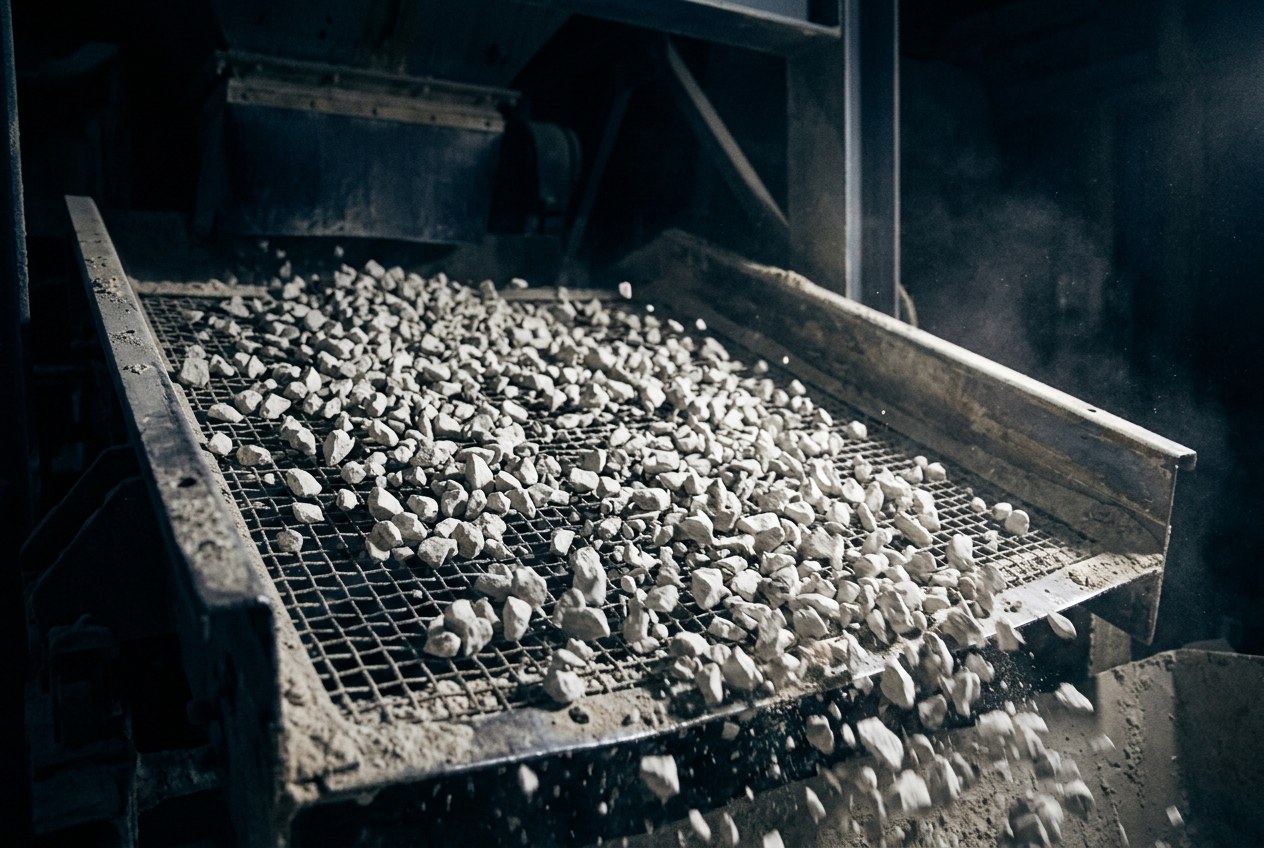
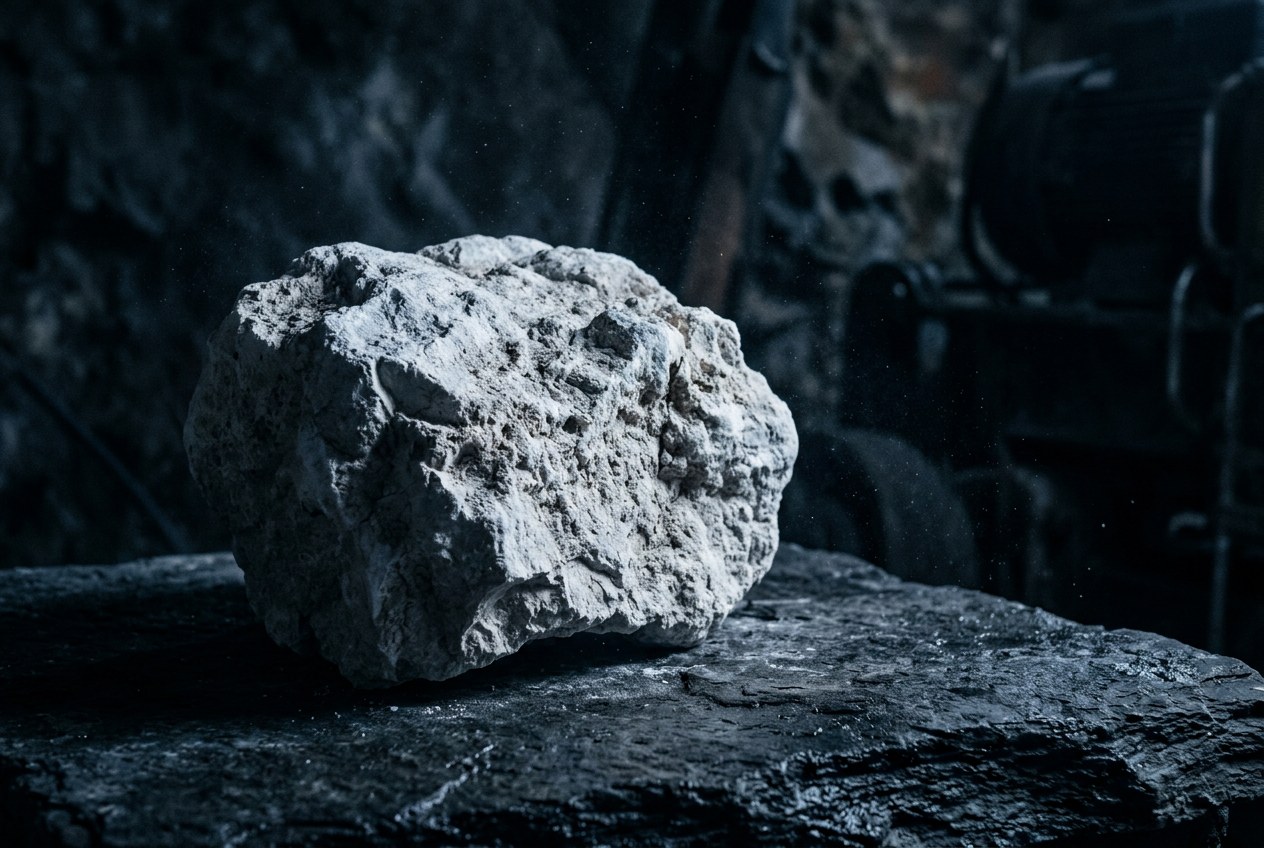
Crushed rock to −300 meshCustom sizes and blends available
Grades run from crushed rock to -200 and -300 mesh powder, with custom particle sizes and blends available. Consistent sizing supports predictable reaction rates and handling in continuous processes.
Consistent chemical analysis supports batch records and incoming-material checks. Heavy-metal screening helps you assess catalyst compatibility and contamination limits for your process.
Supply is planned around your process: regular delivery schedules and standing orders from two Idaho sites, with a load ticket and certificate of analysis on every shipment.

The same grades serve manufacturing. Calcium carbonate is used as a mineral filler in fiberglass and composite formulations.
- O1Fiberglass & composites.Purity, loading level and particle size all influence resin flow, dispersion and the properties of the finished part. Evaluate a sample to confirm polymer bonding, surface finish, strength and process behavior. Our technical team can discuss custom size specifications and the documentation your operation requires.
- O2Paints, coatings & colour.Calcium carbonate serves as an extender pigment and functional filler in paint and coating formulations. Particle size and mineral characteristics influence coverage, opacity, flow and surface finish.
- O3Plastics & polymer systems.Plastic and polypropylene compound manufacturers use calcium carbonate to modify cost, stiffness and processing characteristics. Dispersion and particle sizing are important to the result.
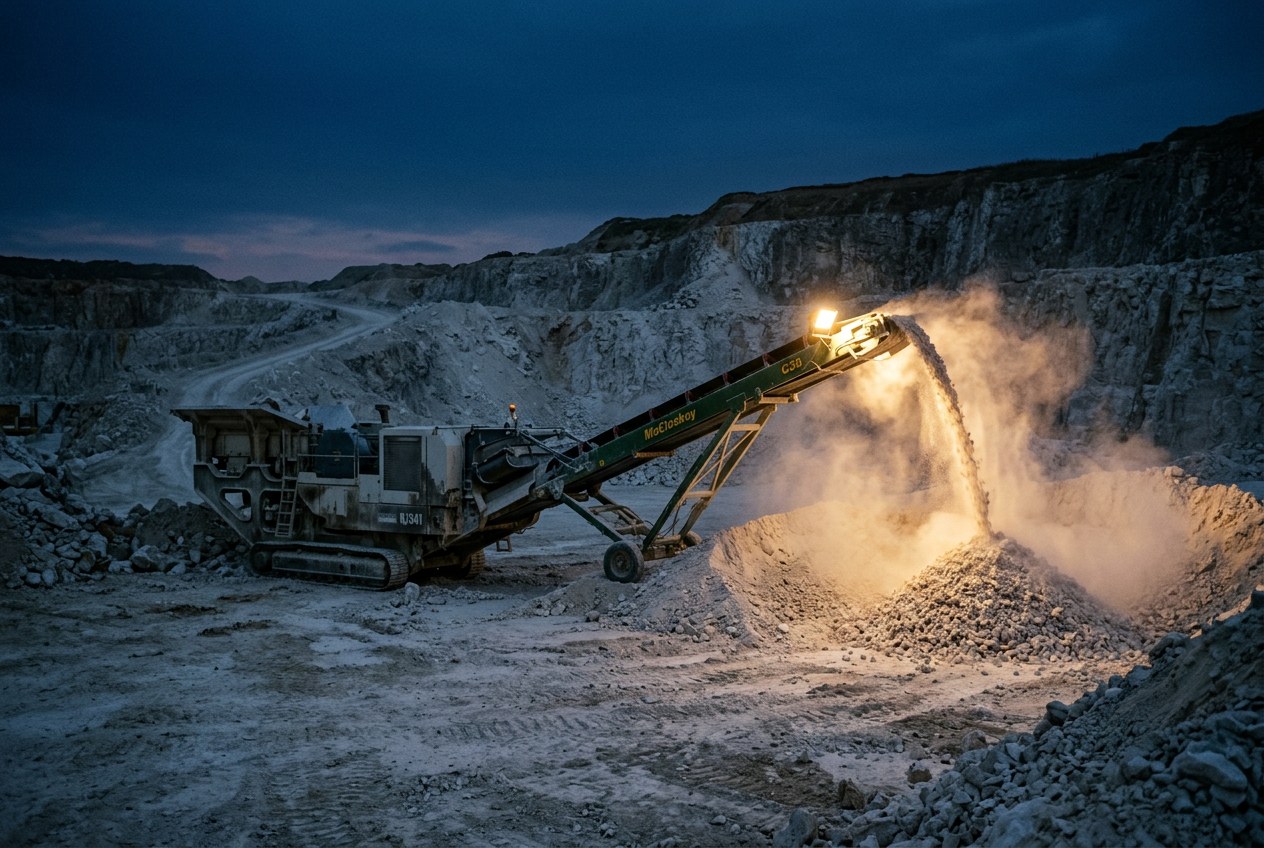
The material in more of what we make. The original product range also identifies concrete, paper, glass, rubber, steel production, drilling fluids, swimming pools and food-processing applications.
Concrete, paper & glass
Concrete and construction use limestone in aggregate and mineral-filler systems. Paper uses calcium carbonate as a filler and coating pigment. Glass production uses limestone as a calcium-bearing raw material.
Rubber & steel
Rubber formulations use mineral fillers to adjust processing and finished properties. Iron and steel production can use limestone-derived fluxes; confirm whether the process requires calcium carbonate or a calcined product.
Drilling fluids
In oilfield drilling fluids, calcium carbonate can serve as a weighting and bridging material. Particle-size distribution is particularly important to the intended formation and fluid system.
Pools & food processing
Pool and water chemistry applications require treatment-system-specific guidance. Food processing and sugar-beet refining have distinct grade and regulatory requirements; discuss those requirements before selecting an industrial material.
Start with your specification. Bring the requirements of your operation. We’ll help you assemble the material information for a considered decision.
- O1Reaction conditions & purity limitsShare reaction conditions, chemical acceptance limits and the documentation your quality team needs.
- O2Particle size & handlingCompare the available grades with your feed system, required particle distribution and handling arrangements.
- O3Volume, schedule & documentationDiscuss expected usage, receiving capacity and delivery frequency, including analysis requirements for each load.
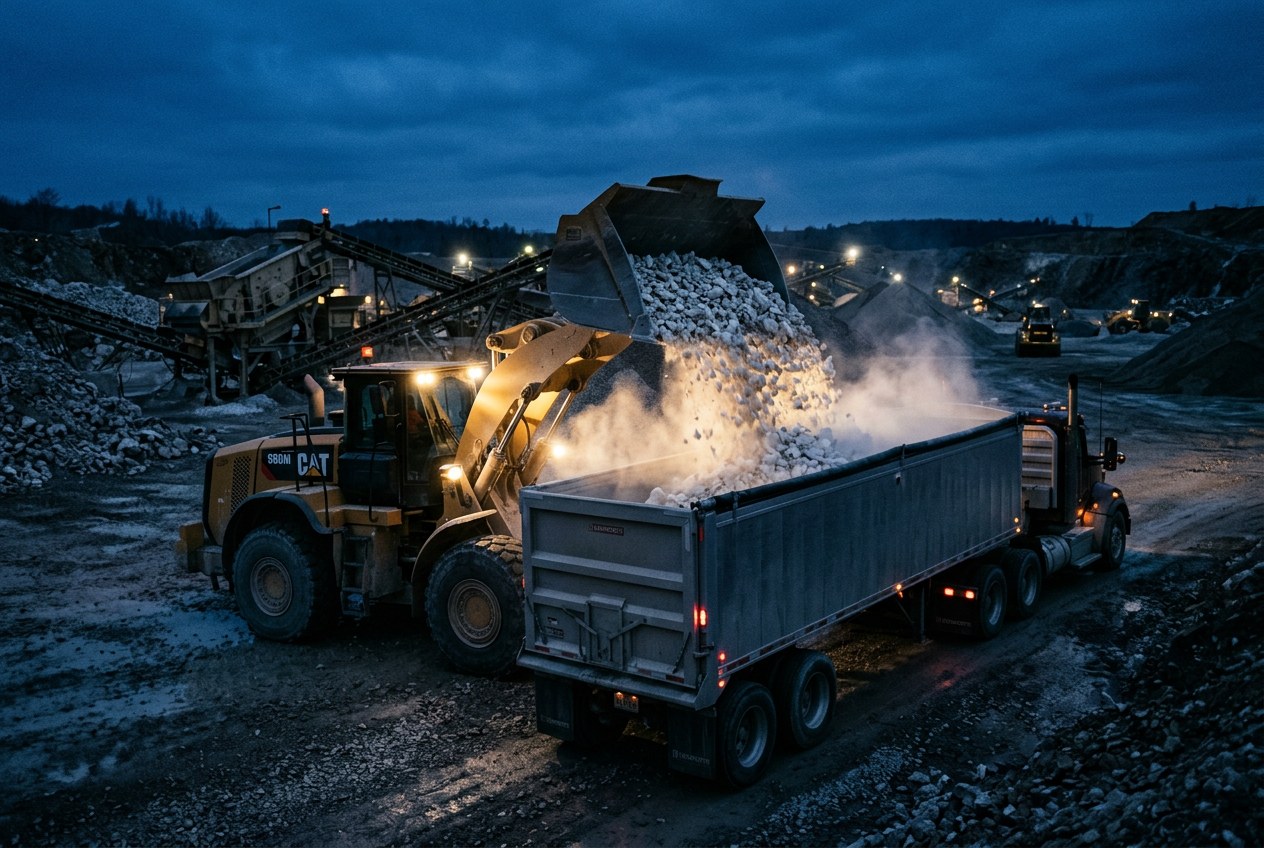
The same stone, at work in four more places.
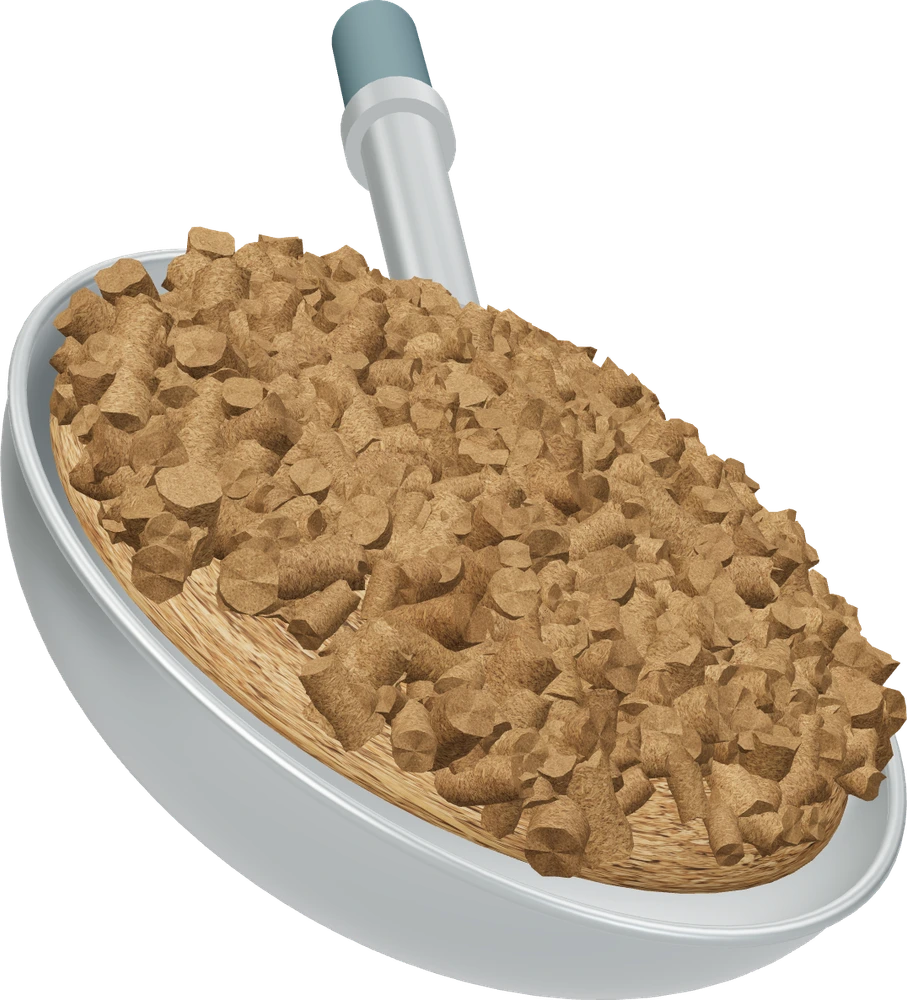
Livestock & feed
Calcium for dairy, beef, layer and breeder rations and mineral blends.
Process water
Neutralization and pH control for water and process streams.
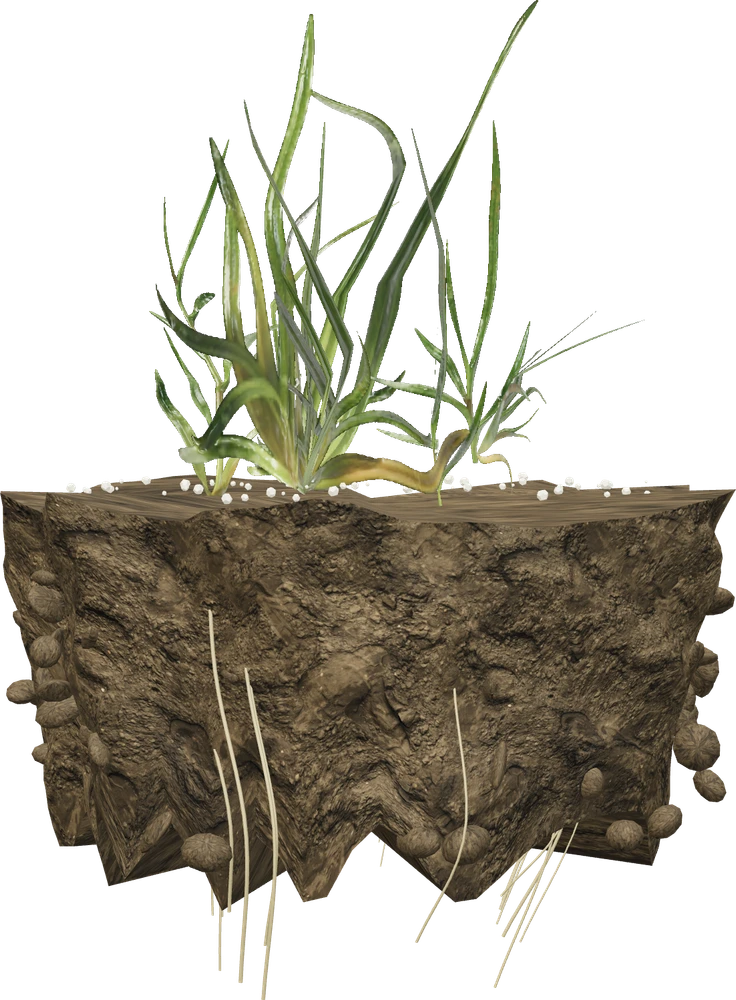
Crop nutrition
Lime for acidic soils, crop nutrition and seed coating.
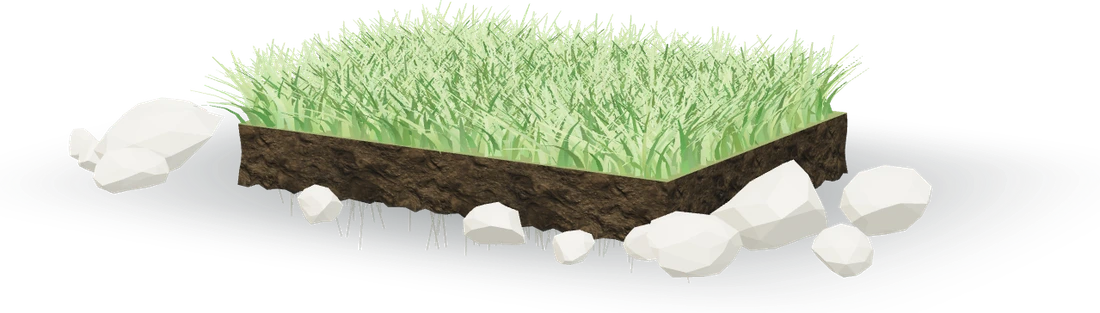
Turf & landscape
Lime for turf soil pH, plus crushed landscape rock and decorative grades.
Let’s put itto work.
Share your application, specifications and volume. We’ll help you select a grade, evaluate a sample and plan your supply.