

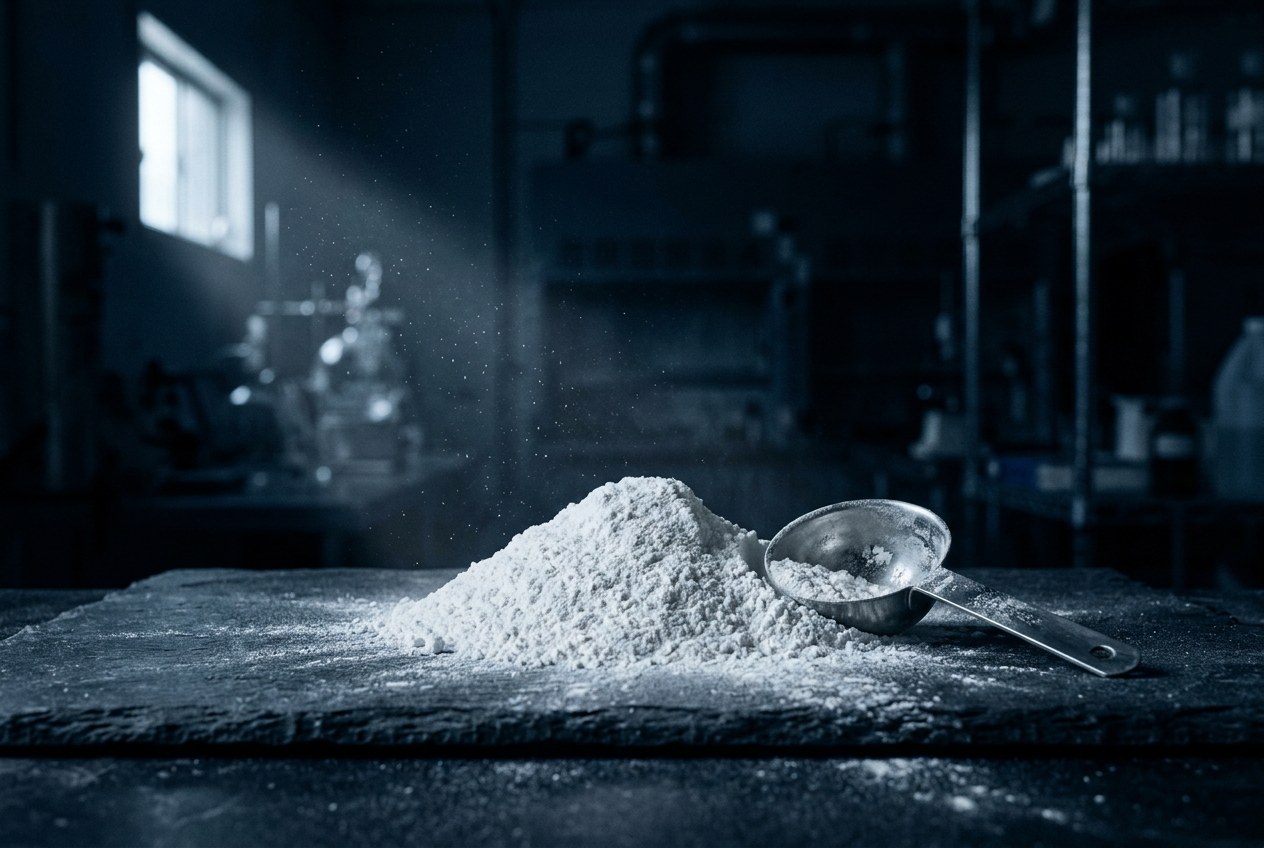
Essentialto life.
Calcium has a role in far more than bone. It supports skeletal structure, muscle function and normal cellular signalling, and connects mineral nutrition to growth, lactation and egg production.
Availability is part of the specification. Particle size, digestive conditions and the rest of the diet affect how calcium from a feed ingredient becomes available.
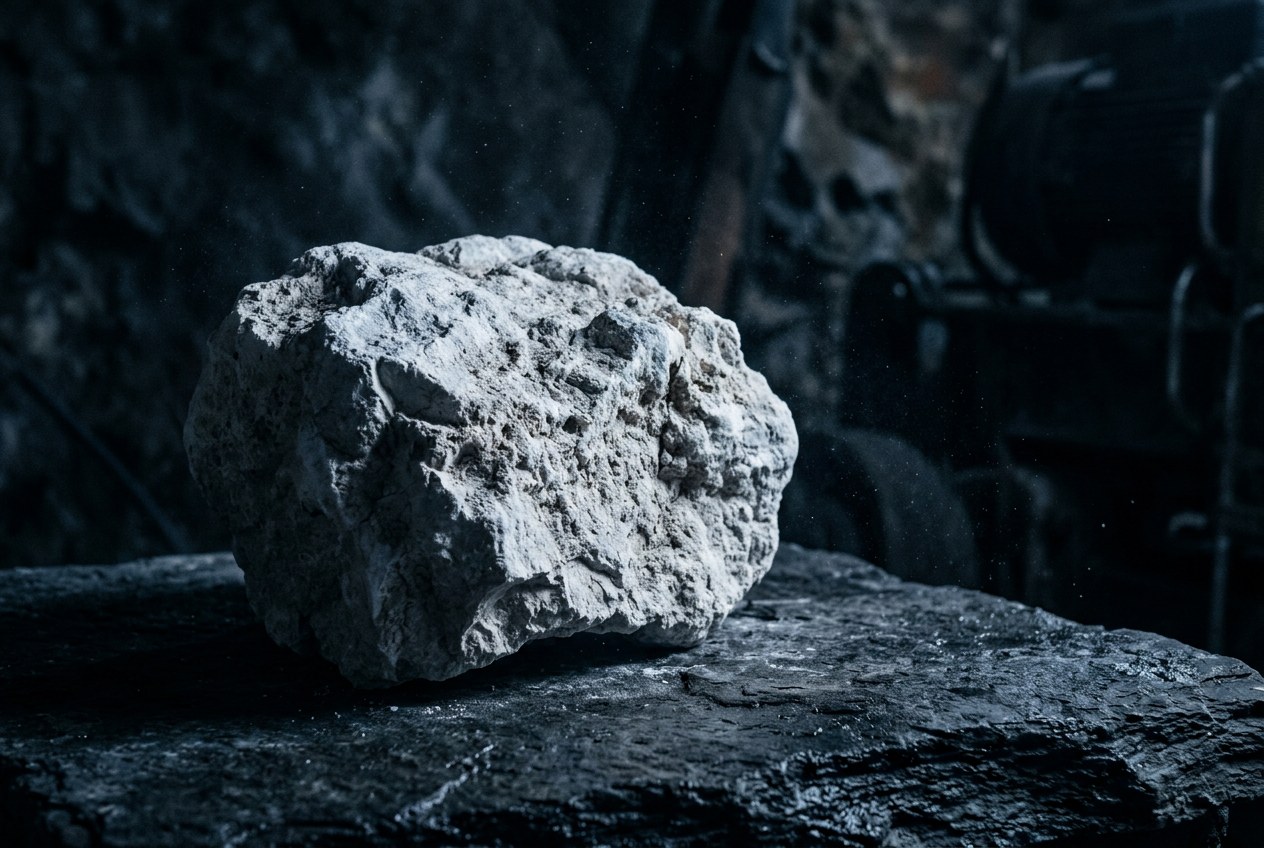
Purity and consistency make the ingredient easier to specify, but calcium carbonate percentage is not a direct measurement of calcium absorption. Evaluate the complete ration with your nutritionist, including phosphorus, magnesium and vitamin D.
Our team supplies material analysis, sizing information and samples to support that evaluation. Product-specific feeding performance should be established through appropriate trials, rather than inferred from an unrelated study.
Compare grades and sizingThe structure of growth. Calcium supports the development and maintenance of bones and teeth. Growth, lactation and egg production each place different demands on mineral nutrition.
- 01Dairy cattleA ration that supports both their own skeletal reserves and milk production.
- 02Laying hensCalcium for bones and eggshell formation.
- 03Young animalsBalanced nutrition throughout skeletal development.
Select the ingredient and inclusion rate with the animal’s species, age and production stage in mind. Material consistency supports formulation; it does not replace a complete feeding program.
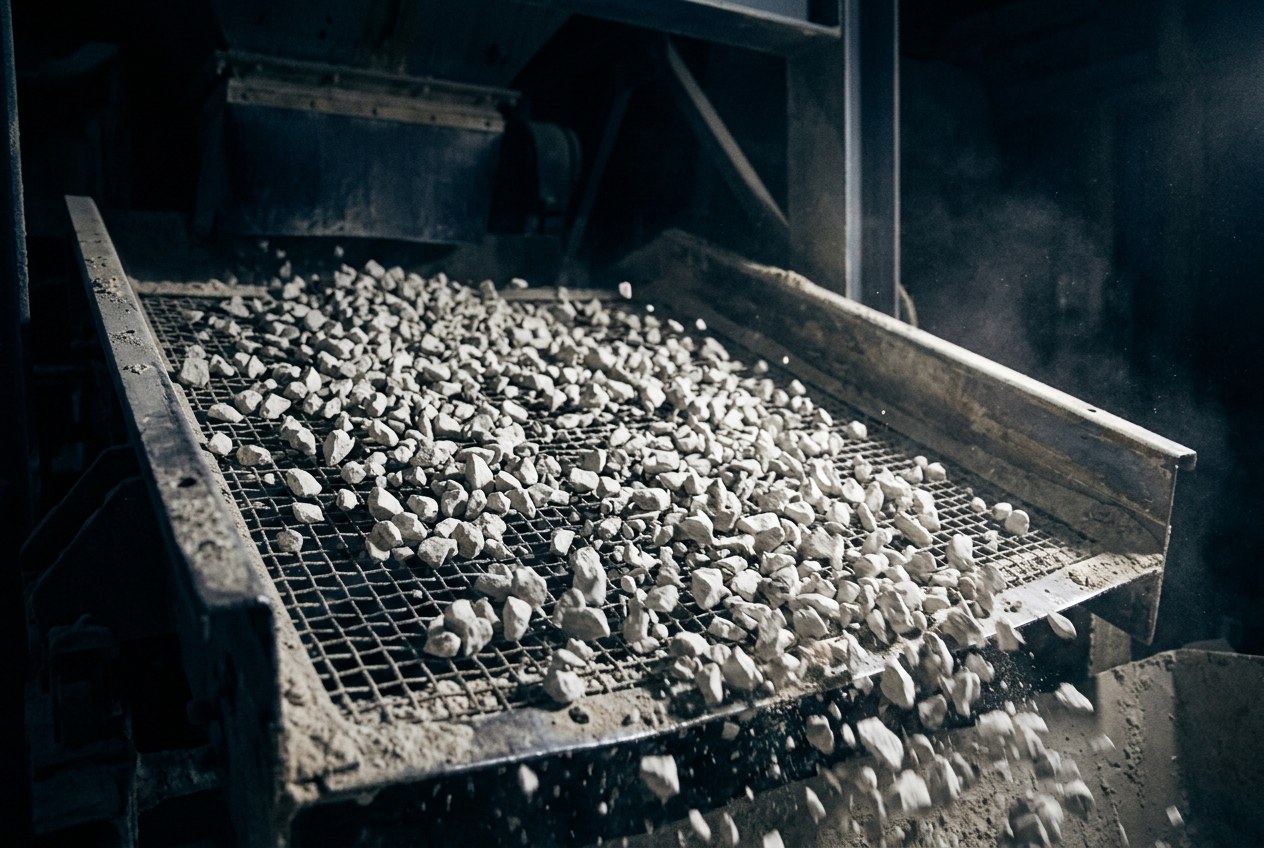
Beyond bone. Calcium also participates in muscle contraction, nerve signalling and enzyme activity. These functions depend on the animal maintaining calcium balance.
- 01Muscle functionSupports movement and normal daily activity.
- 02Cellular signallingLinks calcium to nervous-system and metabolic processes.
- 03Ingredient evaluationReview calcium content and contaminants alongside particle sizing, feeding practice and the other minerals in the ration.
A nutritionally balanced ration supports these systems together.
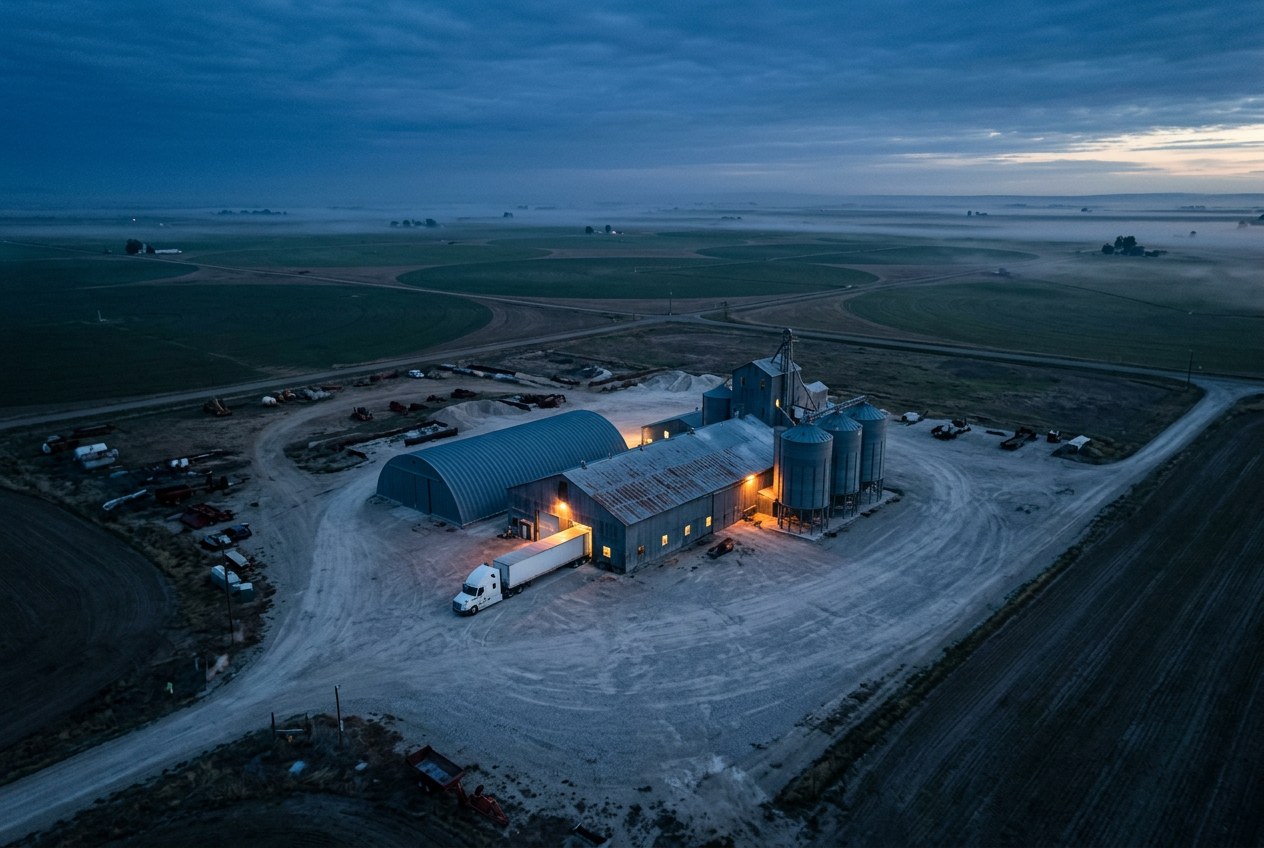
Nutrition through every production stage. Gestation, lactation and reproduction change an animal’s nutritional requirements. Calcium is one part of the broader mineral and energy program that supports those stages.

Developing offspring need minerals for skeletal growth, while lactation transfers calcium into milk. Feeding plans must account for the needs of both the parent animal and its offspring.
Work with a qualified nutritionist or veterinarian to set the ration. The goal is balanced nutrition through each stage, with a feed ingredient that meets the intended specification.
Recognise a problem. Review the ration. Poor growth, skeletal problems and changes in eggshell quality can have nutritional causes, but they are not specific enough to diagnose calcium deficiency on their own.
- 01Milk feverAssociated with low blood calcium around calving in dairy cattle. Prevention and management require a transition-cow program; adding calcium carbonate alone is not a treatment plan.
- 02Changes to watchChanges in appetite, mobility, production or shell quality warrant review with your veterinarian and nutritionist.
- 03Records that helpIngredient analysis, forage testing and ration records help inform that review.
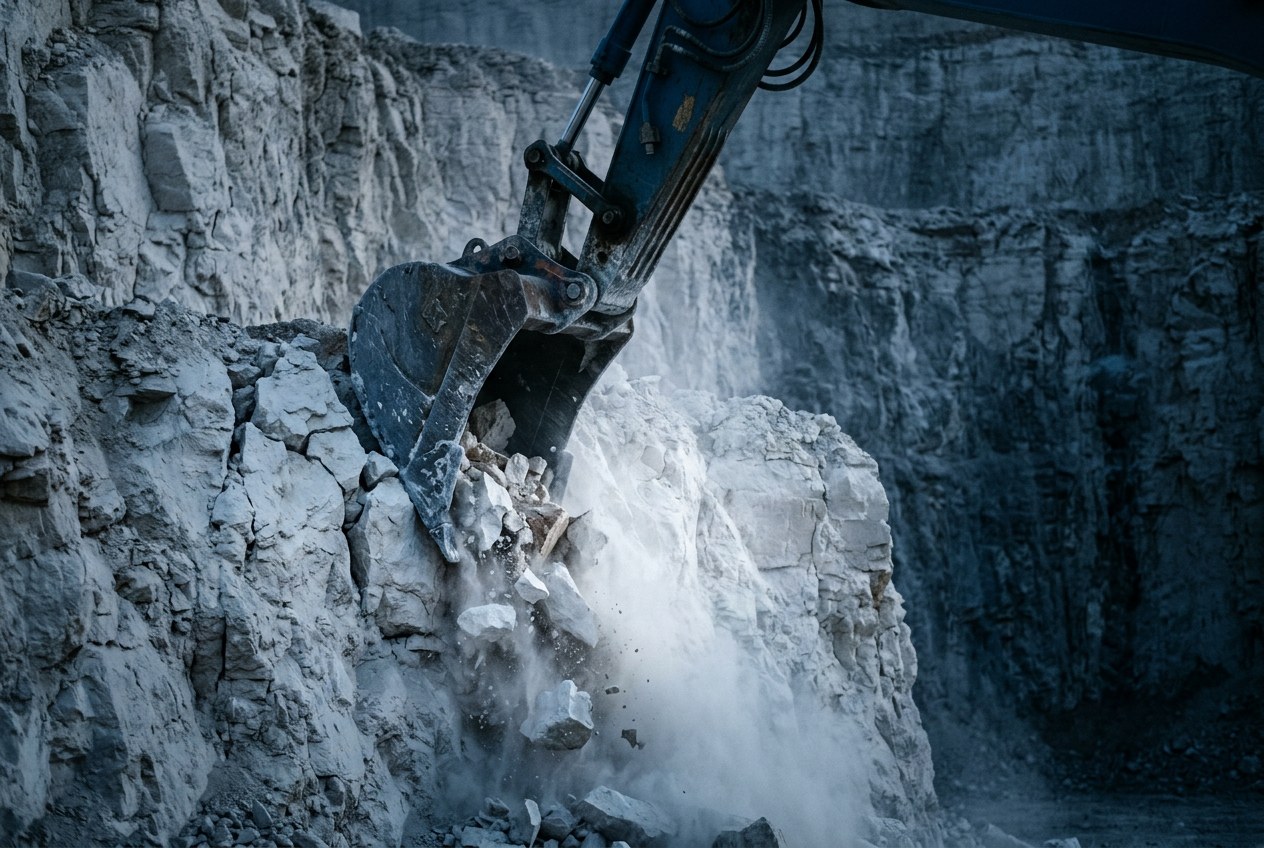
Quality you can evaluate. Calcium-content testing and heavy-metal analysis help nutritionists evaluate a mineral ingredient. Contaminant limits and suitability depend on the intended use and the applicable specification.
- 97–99.9%
- Calcium carbonate
- <O.O1%
- Heavy metals
- O.1O9
- Mercury, mg/kg
- 1.OO
- Lead, mg/kg
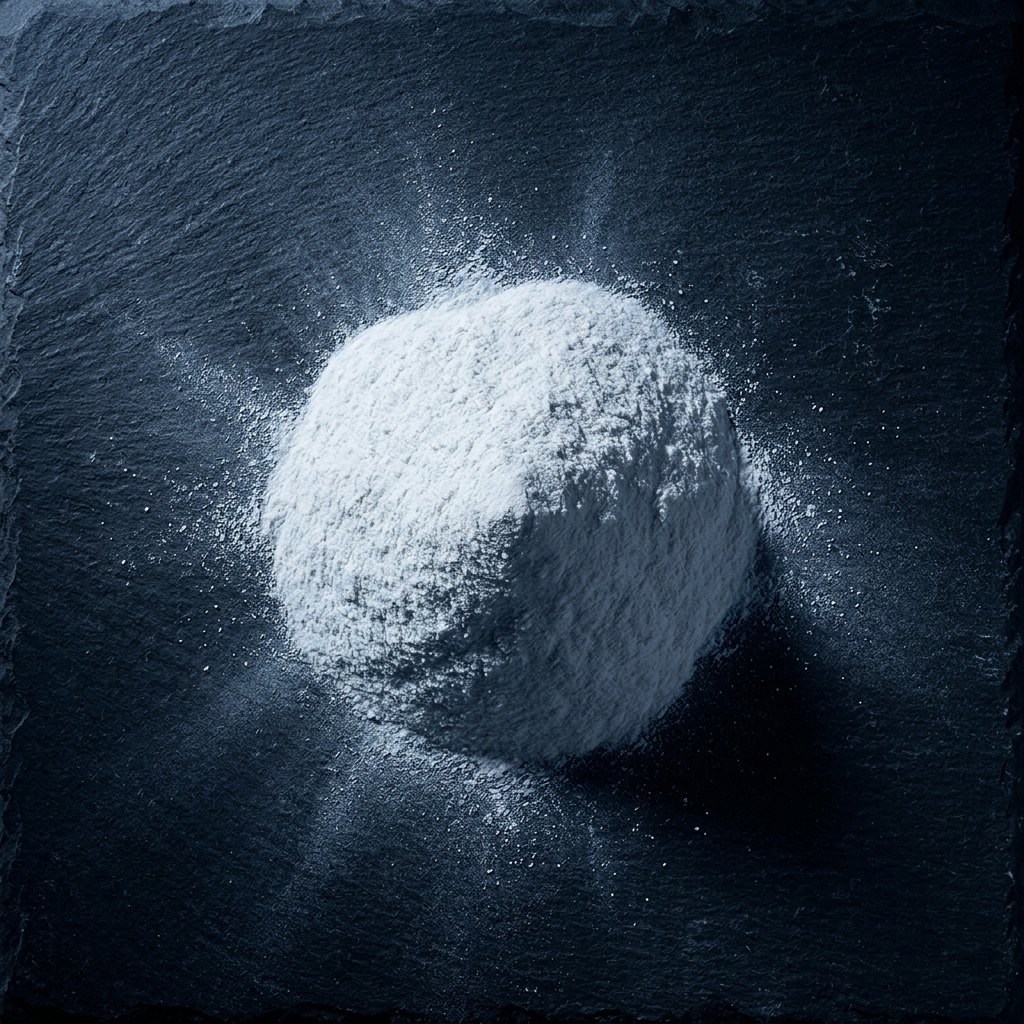
Typical calcium carbonate content from the Idaho deposit is 97–99.9%. Ask for the current analysis for your selected grade, including the test method, measured results and reporting limits.
A certificate of analysis accompanies every load. Review the material against the requirements of your intended use; purity alone does not establish suitability for a particular feeding program.
Request current analysisFrom research to your operation. Calcium nutrition research covers many species, diets, production stages and calcium sources. A result from a human supplement study or a different feeding system is not evidence of performance for a particular livestock product.
Our technical team can help you assemble the material data for a trial: calcium content, particle-size distribution, moisture and heavy-metal analysis. Combine those data with your nutritionist’s protocol and the outcomes that matter in your operation.
- 01Calcium content
- 02Particle-size distribution
- 03Moisture
- 04Heavy-metal analysis
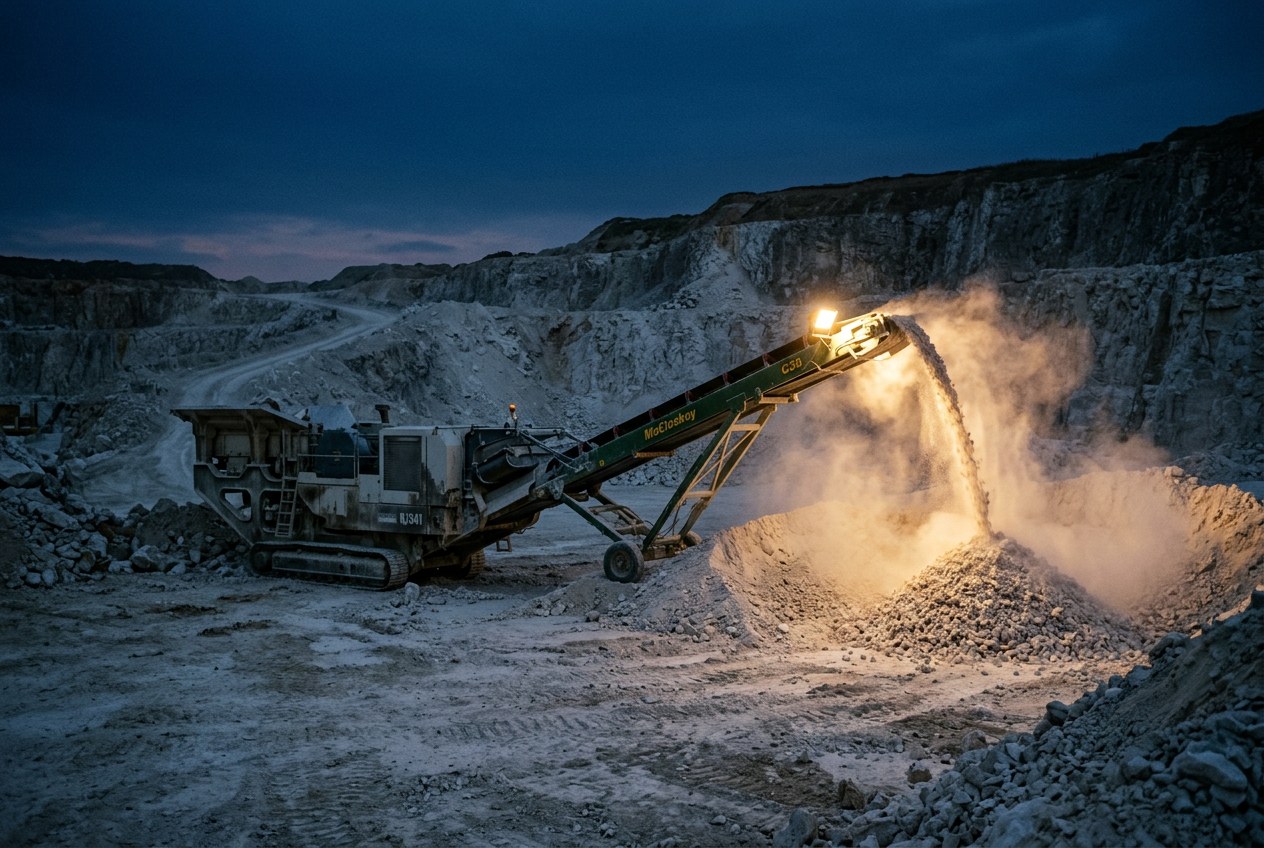
Further reading. Independent sources on calcium as a nutrient, the requirements of dairy cattle and milk fever around calving.
Calcium fact sheet
NIH Office of Dietary Supplements. Calcium as a nutrient: intake, forms and absorption.
Dairy cattle nutrition
Merck Veterinary Manual. Nutritional requirements of dairy cattle.
Parturient paresis
Merck Veterinary Manual. Milk fever in cows: low blood calcium around calving.
Calcium in human nutrition. Almost all of the body’s calcium is stored in bones and teeth, and calcium also supports normal muscle and nerve function.
Calcium carbonate and calcium citrate are common supplement forms. Dietary needs and the choice of supplement depend on age, diet and individual circumstances; use an appropriate consumer product and guidance from a healthcare professional.
Information about calcium as a nutrient does not establish that an agricultural or industrial grade is suitable for human consumption. Food, pharmaceutical and supplement uses require their own product specifications and approvals.
Let’s put itto work.
Share your application, specifications and volume. We’ll help you select a grade, evaluate a sample and plan your supply.