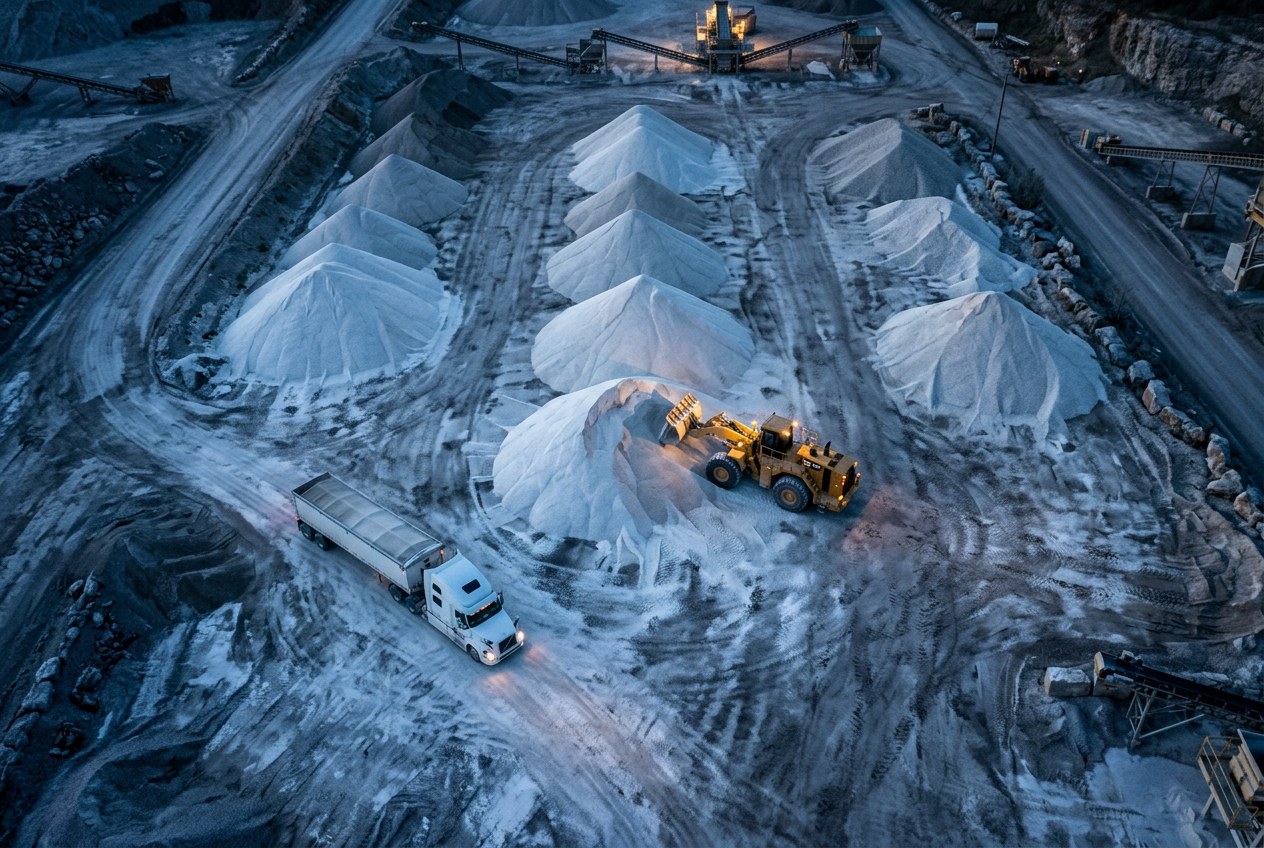

Know whatgoes in.
Independent laboratory testing since the early nineties. A certificate of analysis on every load. Start with the evidence behind the material.
The material, measured. Typical deposit analysis first, then current documentation for the grade and the shipment you are evaluating.
- 97–99.9%
- Calcium carbonate
- <O.O1%
- Heavy metals
- O.1O9
- Mercury, mg/kg
- 1.OO
- Lead, mg/kg
Build the right specification. Four measurements to review before a material enters your operation.
Calcium content
Compare calcium carbonate content with your ingredient or process specification. Mineral purity and elemental calcium are different measurements.
Heavy-metal screening
Review individual results, test methods and reporting limits against your specification. Below a detection limit is not absolute zero.
Particle-size distribution
Check the sieve analysis for the selected grade alongside your mixing, handling and reaction requirements.
Moisture
Review moisture with your storage, transport and processing conditions in mind.
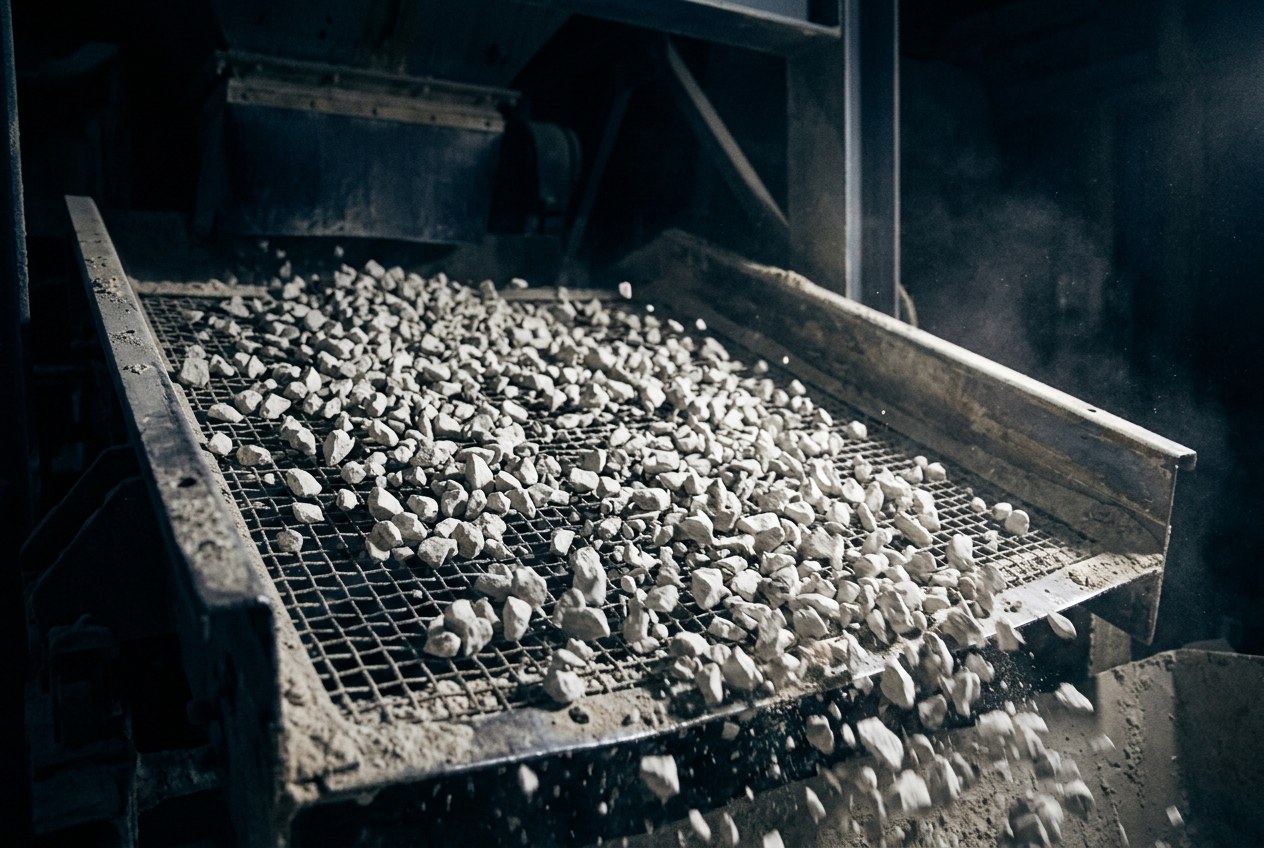
Processed mechanically, documented every load. Crushed, screened and milled. The stone is not burned, and no processing chemicals are added.
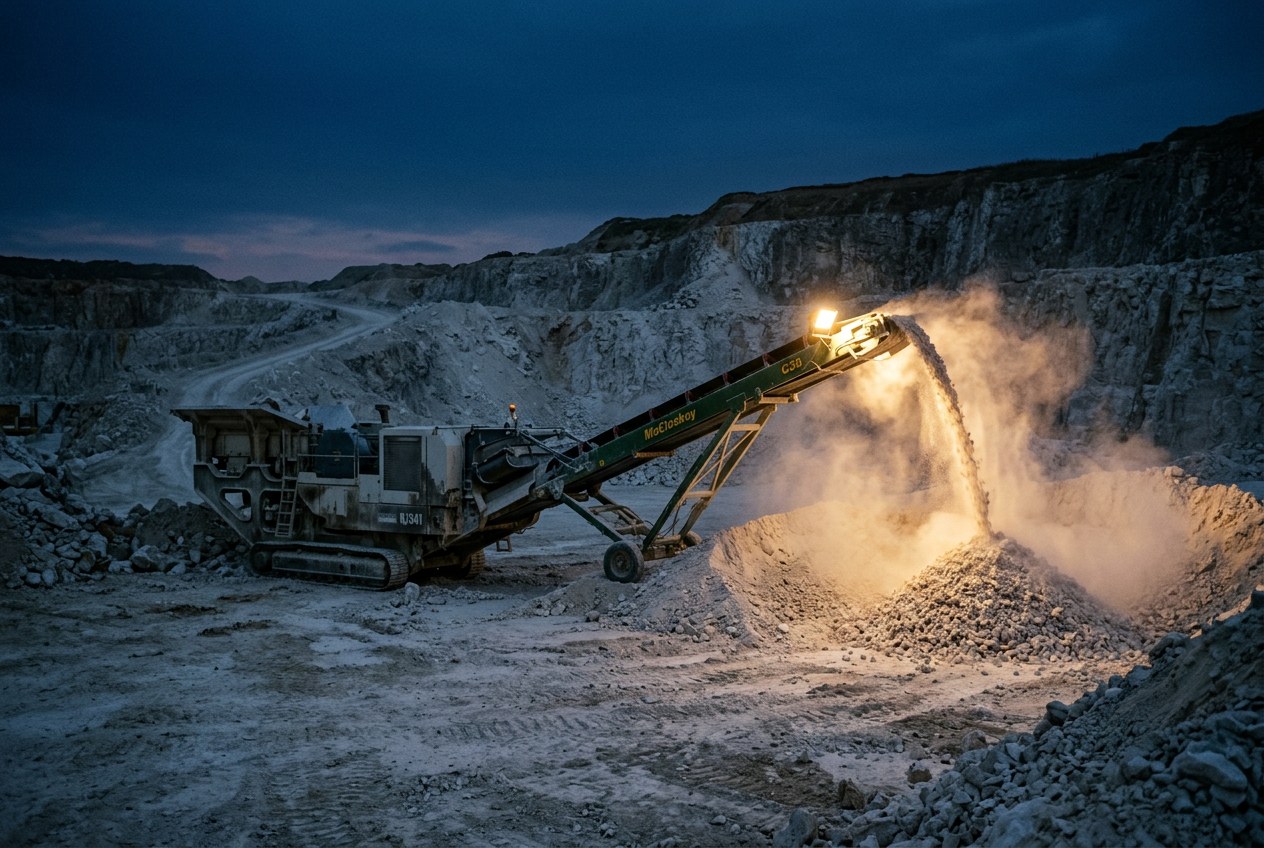
Review the analysis, choose a grade and evaluate a sample in your own operating conditions.
Follow the processFrom evidence to evaluation. The information your purchasing and quality teams need, on request.
Current certificate of analysis
A certificate of analysis accompanies every load. Request the current certificate for the grade and shipment you are evaluating.
Grade and application requirements
Chemical analysis, particle sizing and moisture, reviewed together. Share any applicable standards before selecting a grade.
Samples and operating trials
Samples and analysis to support evaluation in your own operation, including sizing and blending.
Let’s put itto work.
Share your application, specifications and volume. We’ll help you select a grade, evaluate a sample and plan your supply.